
Varicose Vein Care | Metairie & New Orleans, LA
Treat Varicose Veins.
Explore Your Options.
Bothered by varicose or spider veins? Gitter Vein Institute helps you understand your treatment options and take the next step toward personalized care.
Request an AppointmentDr. Gitter Explains Modern Vein Treatment
Understanding
Varicose Veins
Veins return blood toward the heart. One-way valves help keep blood moving in the correct direction.
When vein walls or valves weaken, blood can flow backward and pool. This is called venous reflux. The affected veins may enlarge and become varicose.
An examination and ultrasound, when recommended, help your physician assess blood flow and discuss appropriate care.
What Do Varicose Veins
Look Like?
Varicose veins are enlarged, twisted veins that can be visible beneath the skin. They often appear blue or purple on the legs.
Some people have no symptoms. Others notice aching, heaviness, swelling, itching, or discomfort. Tell your physician about the changes you have noticed.
Your evaluation can help determine whether a vein problem is contributing to your symptoms and which next steps may fit your needs.
Request an Appointment
How vein valves help blood flow toward the heart.
The Difference
Treatment Can Make
Move each divider to compare the practice’s before-and-after images. You can also use the arrow keys when the divider is selected.
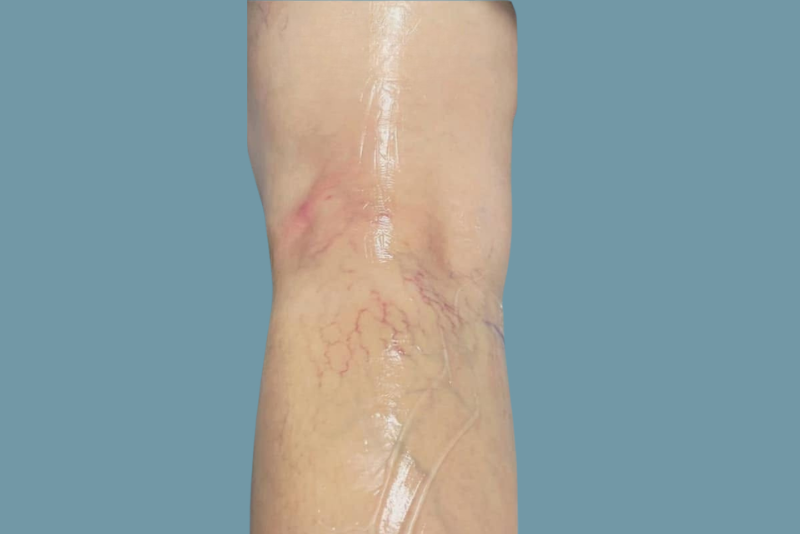
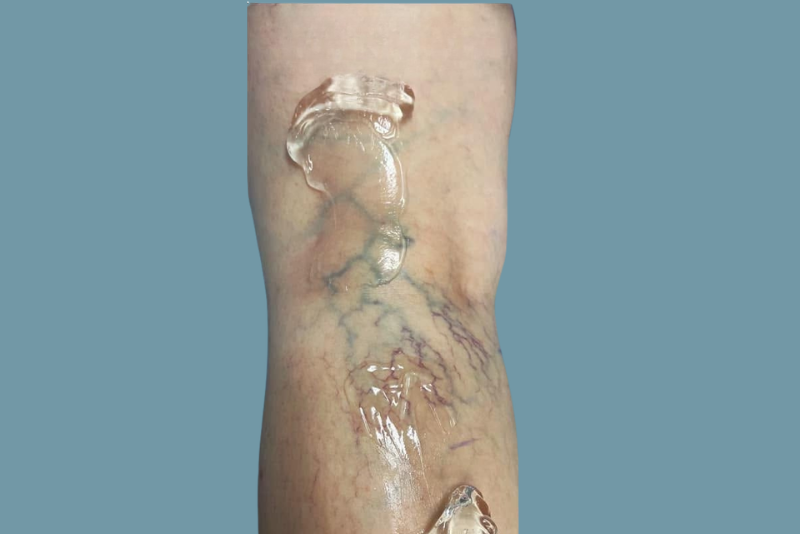
Before
After
Before & After · Example 1
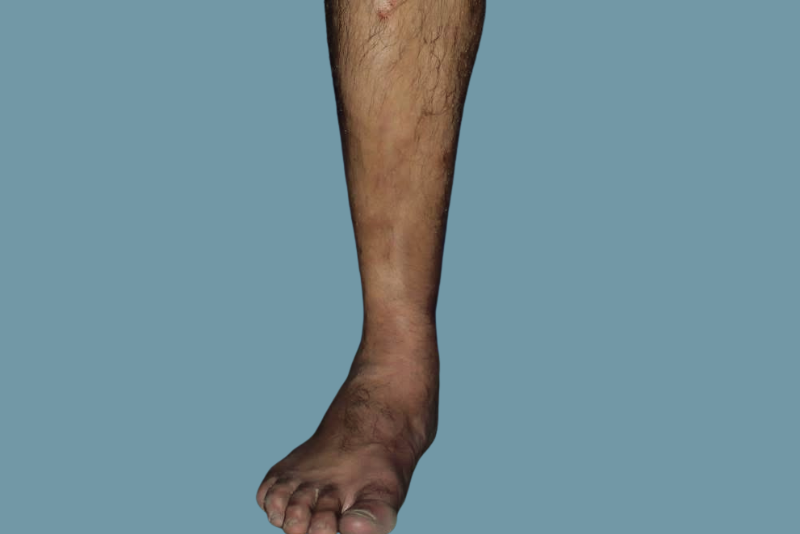
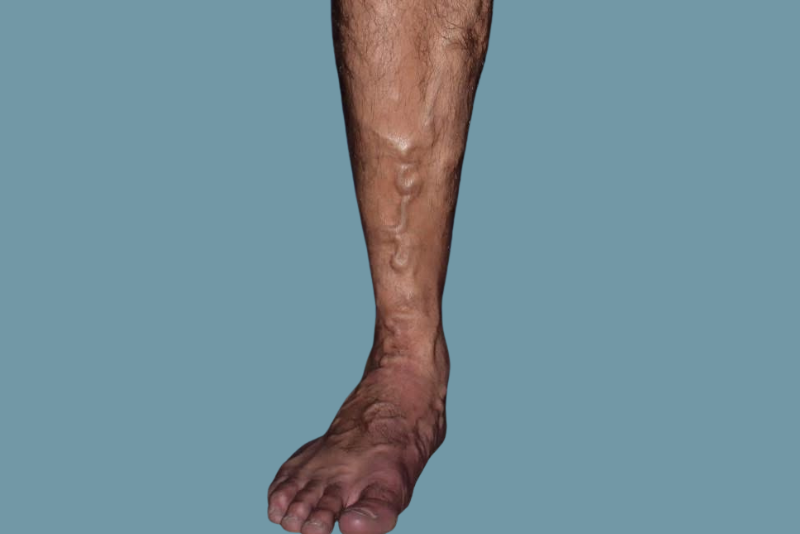
Before
After
Before & After · Example 2
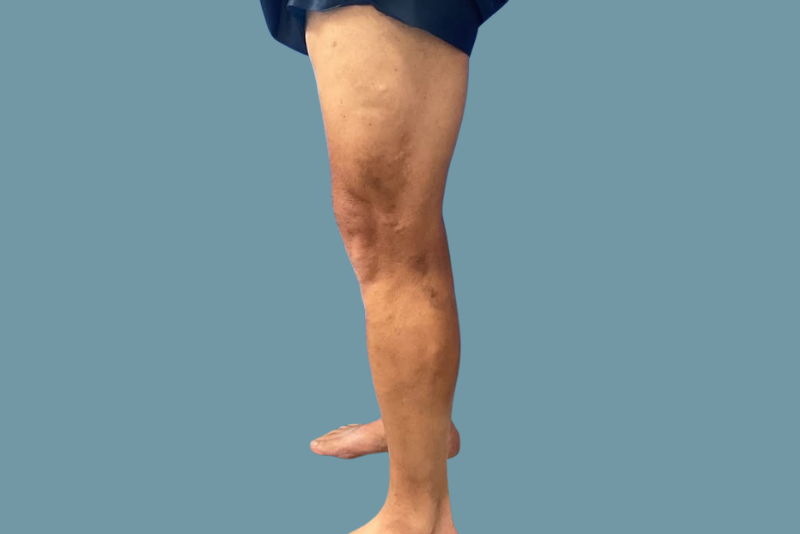
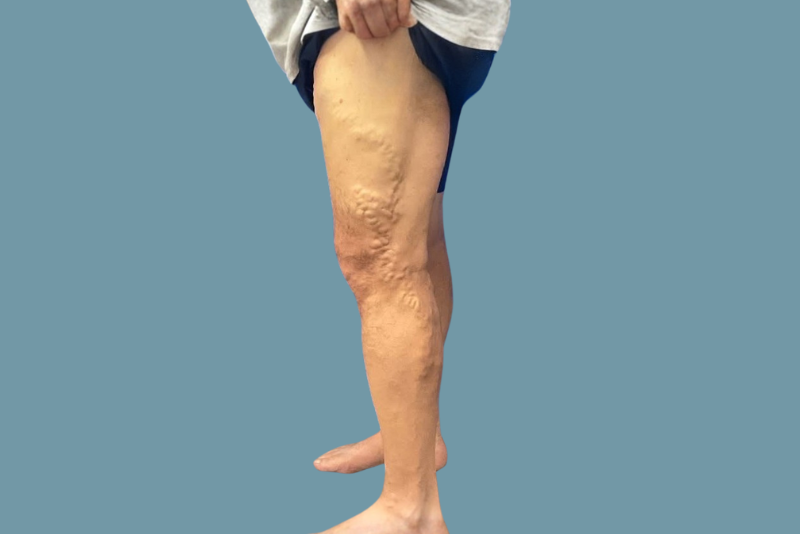
Before
After
Before & After · Example 3
Individual results vary. These images do not guarantee a particular outcome.
Discover the Difference
for Yourself
Request an Appointment
Radiofrequency Ablation:
What to Know
Radiofrequency ablation uses heat delivered through a catheter to close a vein affected by reflux. Ultrasound helps guide the procedure, and local anesthesia is used to numb the treatment area.
Your physician will explain whether RFA is appropriate for the veins involved and how it fits into your treatment plan.
The number of treatments depends on the veins involved and your individual condition. Treating vein reflux may be one part of a broader plan, and additional procedures may be recommended for other affected veins.
Your physician will review the expected benefits and next steps with you. Results vary from person to person.
Ask your care team about walking, compression, work, exercise, and follow-up after your procedure. Your instructions depend on the treatment and your individual health.
Follow the recovery plan provided for you rather than assuming that everyone returns to the same activities at the same time.
Bruising, redness, tenderness, and mild discomfort can occur after treatment. Other possible risks include blood clots, infection, skin burns or discoloration, and nerve injury.
Your physician will review the benefits and risks for your health and vein condition before you decide on treatment.
Why Choose
Gitter Vein Institute?
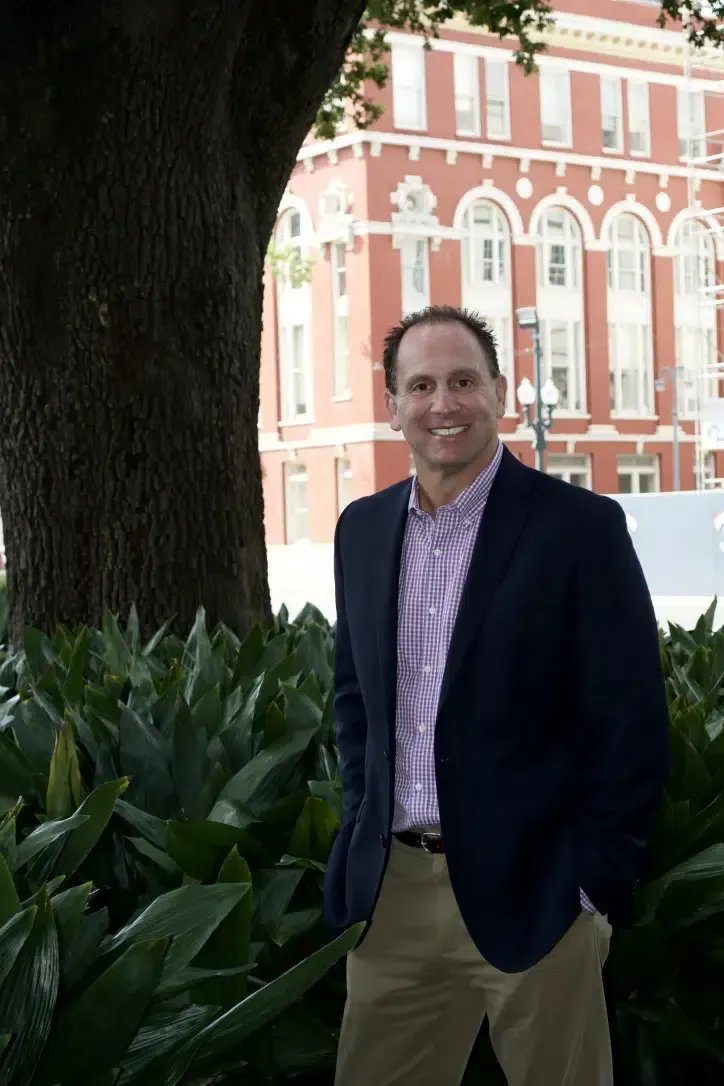

Vein care close to home. Dr. Richard Gitter and Dr. Patrick Bonneval help patients throughout the greater New Orleans area understand their vein symptoms and treatment options at our Metairie clinic.
A plan built around you. Your evaluation starts with a conversation about your symptoms, health history, and goals. Your doctor examines your legs and may recommend an ultrasound to understand how blood is flowing through your veins.
Options explained clearly. Depending on your needs, treatment may include radiofrequency ablation, Varithena, or ultrasound-guided foam sclerotherapy. We explain the recommended approach and what to expect before you decide.
Support at every step. From your first questions through treatment and follow-up, our team helps you understand your care plan and next steps.
Request an Appointment