01
Evaluation
Discuss your symptoms, medical history, and ultrasound findings with your physician to understand your options.
Request an evaluation →
Radiofrequency Ablation | New Orleans, LA
Explore an in-office treatment for vein reflux. Gitter Vein Institute helps you understand radiofrequency ablation and whether it fits your care.
Request an Appointment
Radiofrequency ablation is a treatment for superficial vein reflux. Reflux occurs when vein valves no longer keep blood moving in the proper direction.
The procedure uses heat delivered through a thin catheter to close the affected vein. Blood is redirected through healthier veins, and the treated vessel is gradually absorbed by the body.
Radiofrequency ablation is an alternative to surgical vein stripping. It is typically performed in the office using local anesthesia. Your physician will evaluate your veins and discuss whether this approach is appropriate for you.
Your physician first numbs the area and places a small catheter into the affected vein. Ultrasound helps guide its position.
Additional numbing medicine is placed around the vein. Radiofrequency energy then heats the vein wall as the catheter is withdrawn, causing the vein to close.
The vein is not surgically removed. Your physician will explain how treating the refluxing vein fits into your overall care plan.
Request an Appointment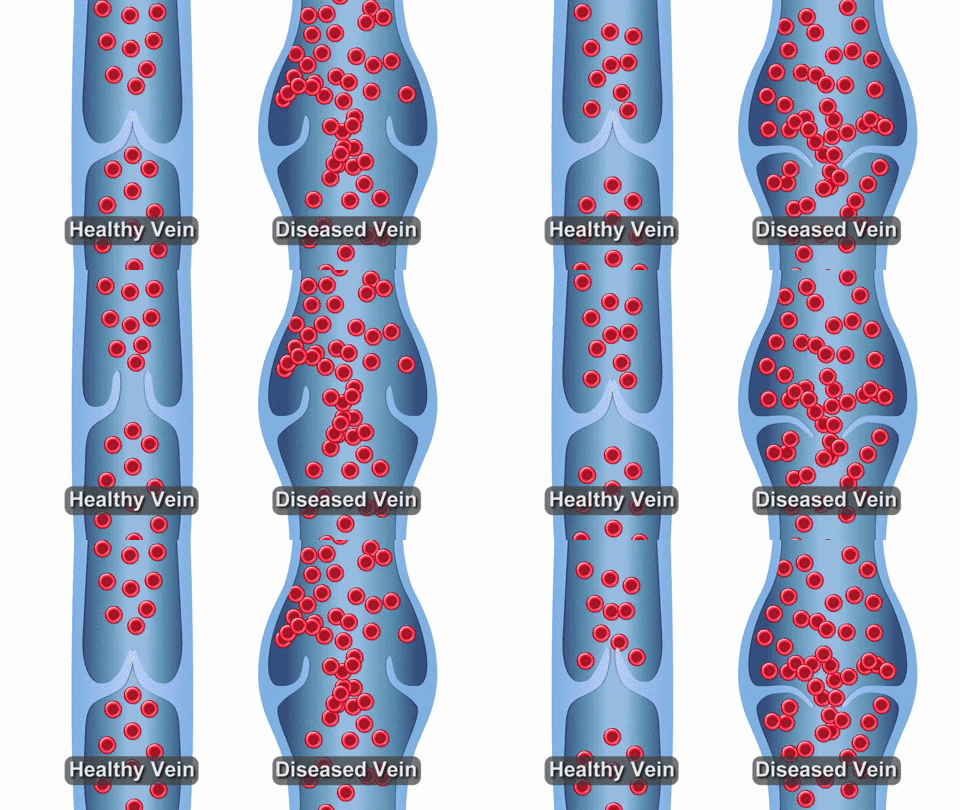
Understanding healthy valves and vein reflux
Knowing what to expect helps you prepare for each part of your care.
01
Discuss your symptoms, medical history, and ultrasound findings with your physician to understand your options.
Request an evaluation →02
If radiofrequency ablation is recommended, your physician will explain the procedure, local anesthesia, and how to prepare.
What to expect →03
Follow your recovery instructions and attend the recommended follow-up visits to assess the treated vein.
Read about recovery →The treatment itself typically takes about 20–30 minutes. Plan for approximately one hour for the full appointment, including preparation. Your care team will confirm the timing for your treatment plan.
Local anesthesia is used to numb the treatment area. You may feel needle sticks as the numbing medicine is given and pressure as the catheter is positioned.
Tell your physician about any discomfort during the procedure so your care team can respond.
The number of treatments depends on the veins involved and your individual condition. Treating vein reflux may be one part of a broader plan, and additional procedures may be recommended for other affected veins.
Your physician will review the expected benefits and next steps with you. Results vary from person to person.
Bruising, redness, tenderness, and mild discomfort can occur after treatment. Other possible risks include blood clots, infection, skin burns or discoloration, and nerve injury.
Your physician will review the benefits and risks for your health and vein condition before you decide on treatment.
Walking and light daily activities are generally encouraged after radiofrequency ablation. Your physician will explain when you can return to work and other activities, based on your treatment and how you are feeling.
Follow your care team’s instructions about compression stockings, exercise, and activity restrictions. Avoid overdoing it during the early recovery period, and keep your scheduled follow-up appointments.
Some people notice improvement soon after treatment, with further changes over the following weeks. Your follow-up assessment helps your physician check the treated vein and discuss whether additional care is needed.
Request an Appointment