01
Review the Episode
Tell your physician where the bleeding occurred, how it was controlled, and what care you received.

Bleeding & Hemorrhage | Metairie & New Orleans, LA
A bleeding vein needs prompt attention. Know what to do now—and why follow-up care matters after bleeding is controlled.
1. Lie down and raise your leg.
2. Apply firm, continuous pressure directly over the bleeding site with a clean cloth or gauze.
3. Seek urgent medical attention, even if the bleeding stops.
Call 911 for heavy bleeding, bleeding that does not stop with firm pressure, or if you feel faint or dizzy. Keep pressure on the site while help is on the way.
Call 911Do not wait for a response to an appointment request during active bleeding.
First-aid guidance: American Red Cross · Venous society guidelines
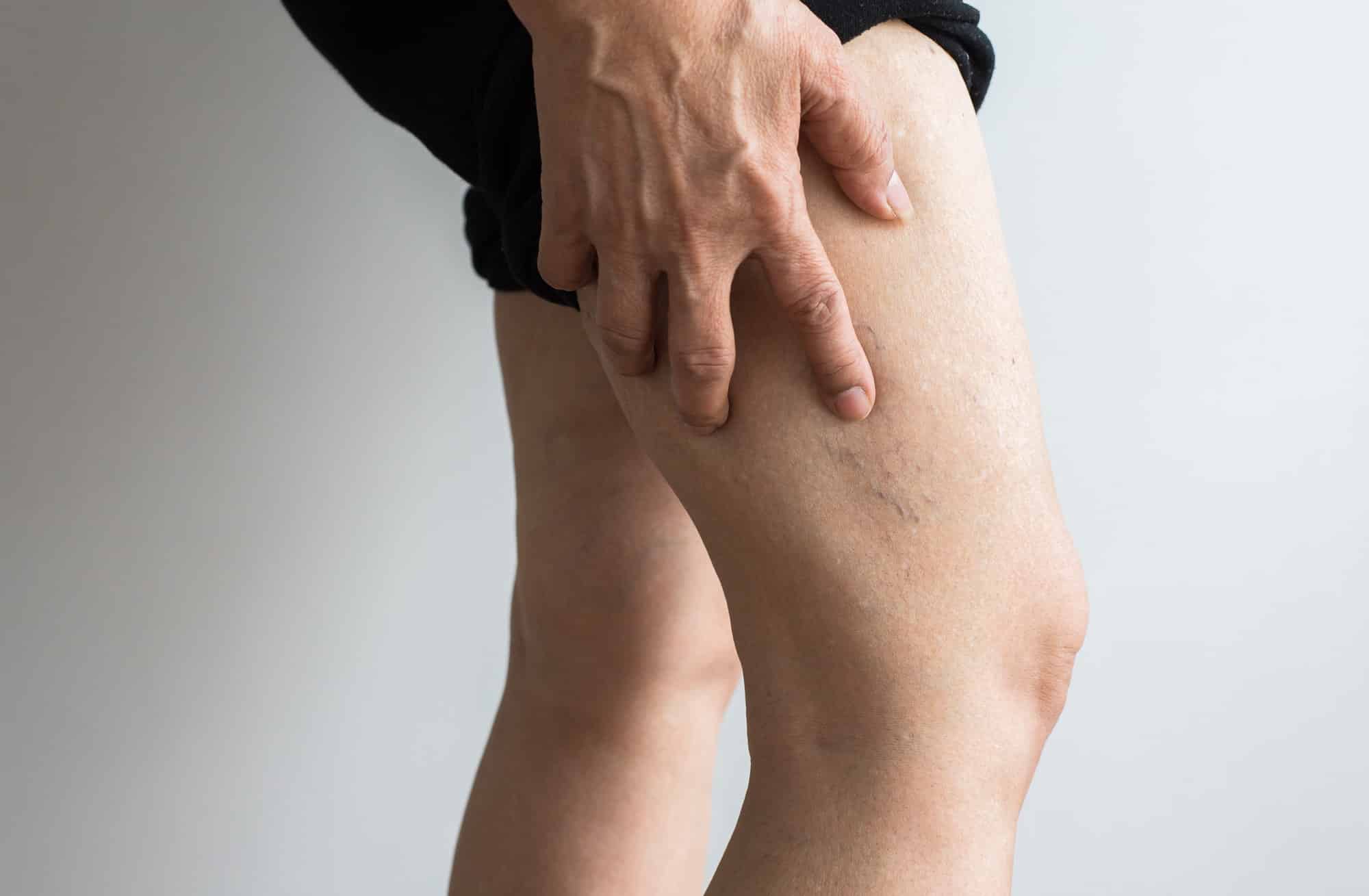
Persistent high pressure in leg veins can lead to bleeding through a small opening in the skin. Even a tiny site can produce an alarming amount of blood.
These episodes often occur around the ankle, but they can happen elsewhere on the leg where pressure reaches small veins close to the skin.
Once the immediate bleeding is controlled, an evaluation can help identify the underlying vein problem and guide the next step in your care.
Closing the opening in the skin may control the immediate bleed, but it may not address the pressure in the veins beneath it.
A vein specialist can assess the affected area and evaluate the veins that may be contributing to the problem. Diagnostic testing, including ultrasound when appropriate, helps guide treatment.
The goal is to address the source of excess venous pressure and reduce the risk of another episode.

Small surface veins can be associated with larger veins beneath the skin.
Prompt specialist follow-up helps you understand what happened and which treatment may be appropriate for you.
01
Tell your physician where the bleeding occurred, how it was controlled, and what care you received.
02
An examination and any recommended testing help identify the veins contributing to the problem.
03
Your physician will explain a treatment plan, its benefits and risks, and the follow-up care you may need.
Yes. A bleeding vein needs prompt medical assessment even when the bleeding has stopped. After urgent care, a vein specialist can evaluate the underlying problem and discuss ways to reduce the risk of another bleed.
A stitch may be used to close the bleeding opening. Follow the instructions you were given and arrange prompt specialist follow-up, because closing the skin does not necessarily treat the vein pressure that caused the episode.
Treatment depends on the veins involved and the findings of your examination and testing. A clinician may use sclerotherapy, including a foamed solution, to close an affected vein. Further treatment may be recommended to address underlying venous pressure.
Your physician will explain the options, possible side effects, and aftercare for your situation.
Once urgent medical care has addressed the bleeding, contact Gitter Vein Institute for a vein evaluation. Let our team know that you have had a bleeding episode when you request your visit.
Request Follow-Up CareAppointment requests are for follow-up care. For active bleeding, follow the first-aid guidance above and seek urgent medical attention.