Deep Vein Care | Metairie & New Orleans, LA

Deep Vein Care.
Understand Your Options.

Learn about May-Thurner syndrome, venography, IVUS, and iliac vein stenting at Gitter Vein Institute.

Request an Appointment
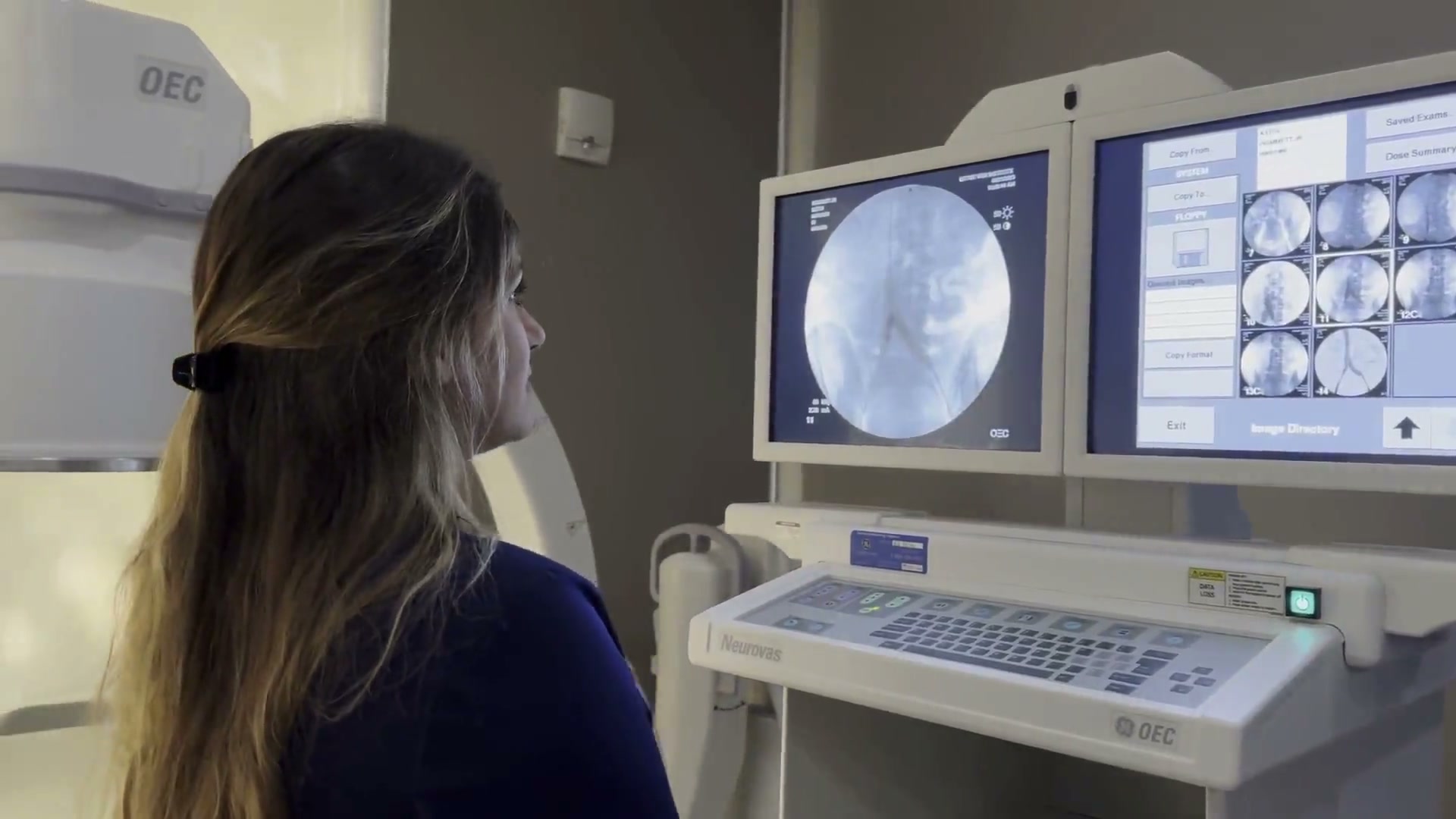
Megan reviewing venogram images on the procedure-room monitors at Gitter Vein Institute

Megan reviewing venogram images at Gitter Vein Institute. Still from the practice’s procedure-room video.

Care Beyond
Surface Veins

Deep veins carry blood from your legs toward your heart. A narrowing or blockage in the pelvic veins can affect this return flow and requires a different assessment from visible spider veins.

Gitter Vein Institute offers evaluation and care for deep vein concerns, including May-Thurner syndrome. Your symptoms, medical history, and imaging help your physician discuss the appropriate next steps.

Your evaluation comes first. Finding vein compression on a scan does not by itself determine your treatment plan.

What is
May-Thurner Syndrome?

May-Thurner syndrome occurs when the right iliac artery presses on the left iliac vein in the pelvis, restricting blood returning from the left leg.

Some people have no symptoms. Others develop leg swelling, heaviness, discomfort, or a deep vein blood clot. These symptoms can have other causes, so an evaluation is needed.

Understand the Finding

Your physician considers your symptoms alongside imaging findings. A discussion about treatment should cover why it is being recommended, the alternatives, and the benefits and risks for you.

Discuss your concerns →

A Closer Look
at Your Veins

Venography and IVUS can help your physician understand the veins in the pelvis and plan care.

01

Venography

A venogram uses X-rays and contrast material to show the veins and how blood flows through them. It can help your physician assess narrowing or blockage and guide a procedure.

Tell your care team about allergies to contrast material, kidney problems, and any possibility of pregnancy.

02

Intravascular Ultrasound (IVUS)

IVUS uses a small ultrasound probe on a catheter to create images from inside a blood vessel. It can show areas of vein narrowing and help measure the vessel when planning stent placement.

IVUS and venography provide different views. Your physician will explain whether one or both are appropriate for your evaluation.

Hear from
Dr. Gitter

Watch Dr. Gitter explain deep venous disease, pelvic vein blockages, and the role of imaging in treatment planning.

Deep Venous Disease

How deep venous disease is diagnosed and treated · 1:05

Pelvic Vein Blockages

How pelvic vein blockages are diagnosed and treated · 0:44

Iliac Vein
Stenting

A venous stent is a small mesh tube placed inside a narrowed vein to help hold it open. For selected patients, iliac vein stenting may improve blood flow through an obstructed pelvic vein.

Stenting is a treatment decision made after evaluation. Ask your physician about the expected benefit, other options, possible complications, and the follow-up care that would be needed.

Request an Appointment

Plan for Follow-Up

Ask about any prescribed medicines, activity guidance, and follow-up imaging. Your care team should explain the plan for checking the treated vein and any symptoms to report.

Potential risks include bleeding, infection, blood clots, or injury to the blood vessel. Contrast material can cause an allergic reaction or affect kidney function in some patients. Your physician will review the risks relevant to your procedure.

Planning Your Care.
Questions to Ask.

Your physician will recommend testing based on your findings. Imaging can help guide the discussion, but an evaluation does not commit you to a procedure. Ask why each test or treatment is recommended.

Ask your care team for instructions specific to your planned procedure, including medicines, food and drink, transportation, and what to expect afterward. Share your medication list, allergies, and relevant medical history. Do not change prescribed medicines without instructions.

Ask our team and your insurer about your specific plan, proposed testing or treatment, authorization requirements, and your financial responsibility. Coverage and out-of-pocket costs depend on the services recommended and your benefits.

New or sudden leg swelling or pain needs prompt medical assessment. If you develop sudden chest pain or trouble breathing, call 911. Do not wait for an appointment request or a reply through the website.

Questions About
Deep Vein Care?

Discuss your symptoms, previous test results, and questions with our team in Metairie. Request an appointment to learn what evaluation may be appropriate for you.

Request an Appointment