Personalized care designed to improve the appearance and symptoms of varicose veins, helping you feel more comfortable and confident.
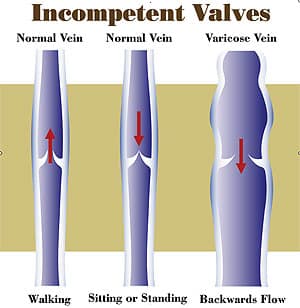
Veins are the vessels that return blood to the heart once it has circulated through the body (as opposed to arteries, which carry oxygen-rich blood from the heart to the body). Veins have one-way valves that propel blood in the proper direction. If these one way valves stop functioning properly, blood can flow backwards, called venous insufficiency. The backwards flow of blood causes “pooling” in the vein, causing it to stretch. This process of venous insufficiency leading to pooling and stretching results in varicose veins.
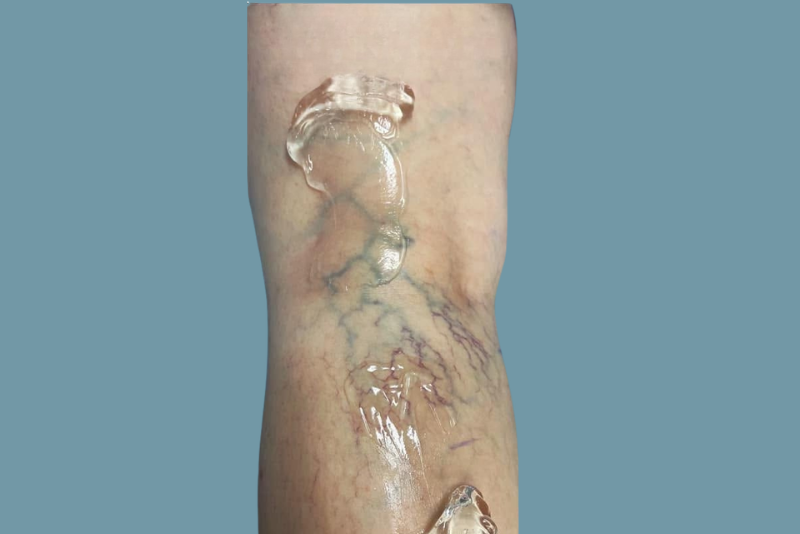
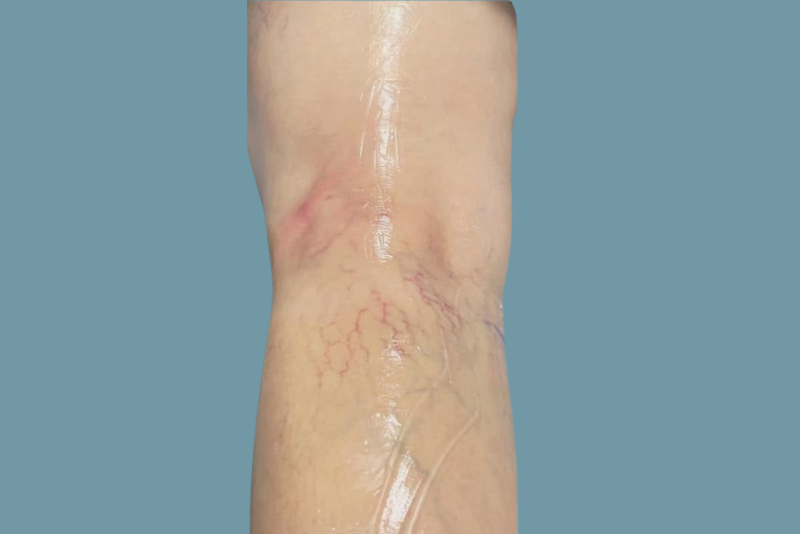
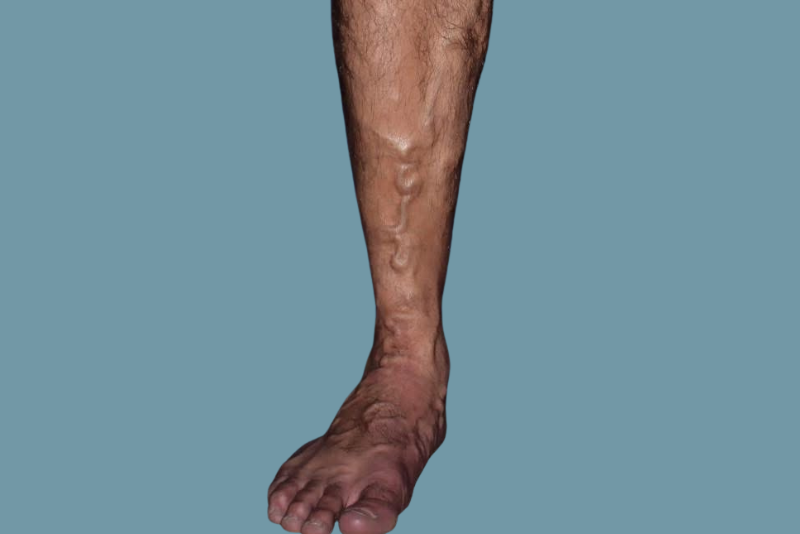
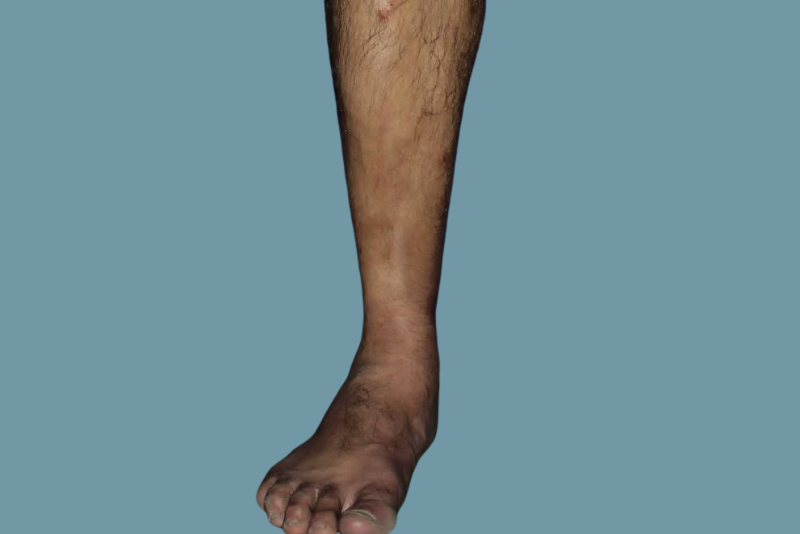
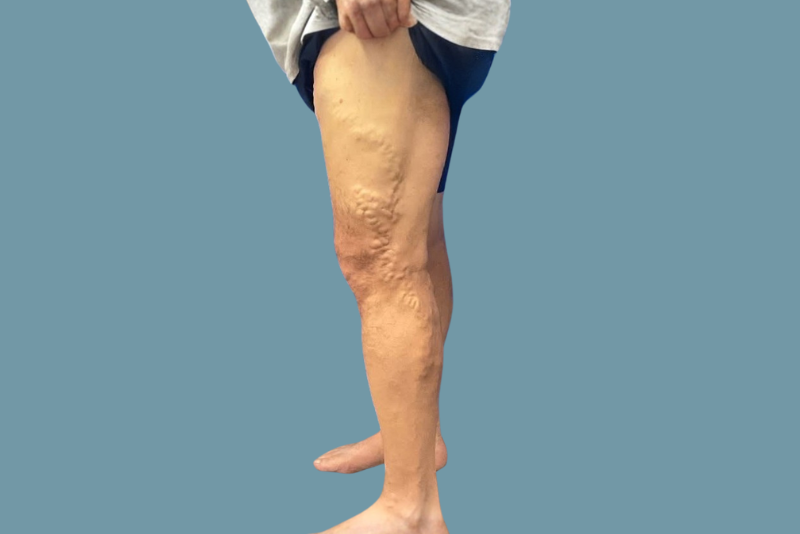
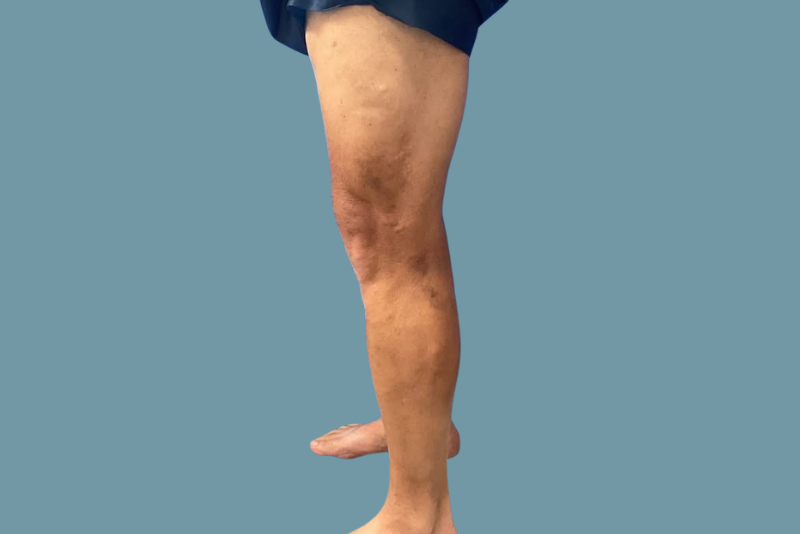
Varicose veins are swollen, dark blue or purple blood vessels that you can usually see and feel beneath the skin. They often look like twisted ropes, and usually appear on the thighs, calves, and ankles. Some patients with varicose veins are free from symptoms. Most however develop aching, throbbing, cramping and or pain that may indicate the need for medical attention. Sometimes, however, more significant problems including bleeding, ulcers, blood clots, pulmonary embolus, and or death can develop if abnormal veins are left untreated.
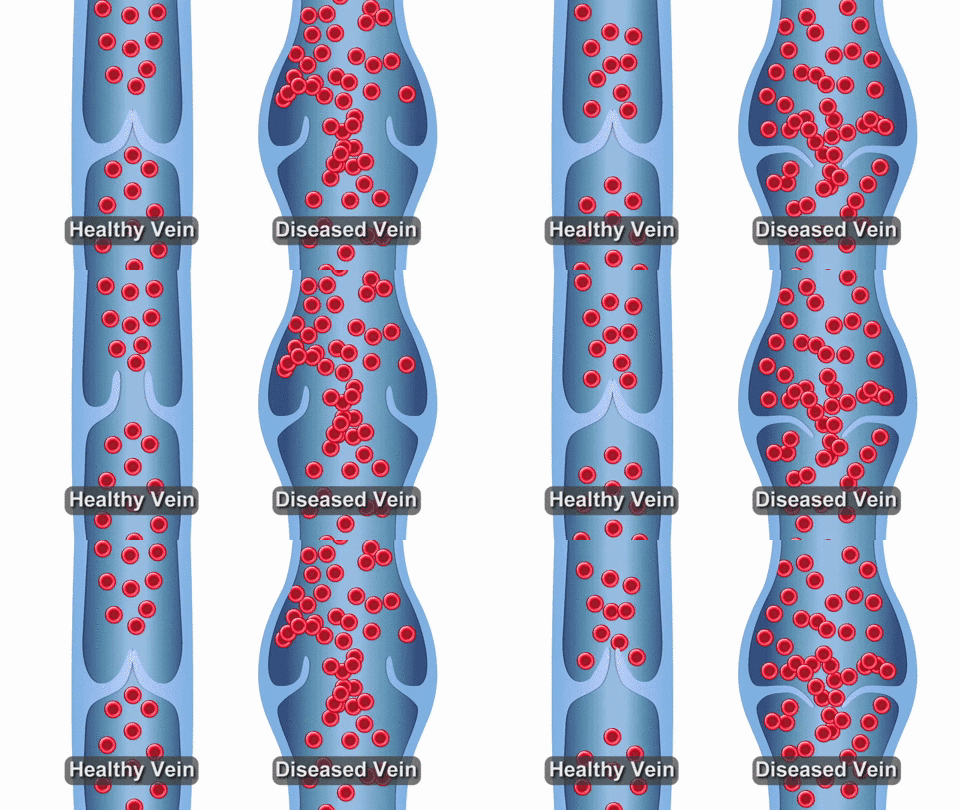
Radiofrequency Ablation (RFA) is an advanced procedure that can be used to treat larger varicose veins. Treatment with Radiofrequency for venous insufficiency is usually performed under local anesthesia on an outpatient basis. During the procedure, you will feel a small stick of a needle in order to numb the area. Through that numbed area, a small needle is inserted into the vein followed by a small guide wire, and a radiofrequency catheter. Once that is in place, you will experience a few needle sticks and some pressure while the numbing medicine is placed around your vein. Once you are numb, the fiber is activated while slowly pulled out. The energy from the device causes the vessel wall to be permanently closed allowing blood to flow in the proper direction. The vein is not removed from the body. Over time, your body will absorb the closed vein and it disappears. This procedure improves the circulation in the leg by ensuring that blood is traveling in the correct direction.
Most patients see effective, long-lasting results from this procedure. However, the number of treatments required varies depending upon the severity of the condition, and patients with larger veins typically require additional sessions.
Microphlebectomy is a minimally invasive procedure used to treat varicose veins that are too large to treat with sclerotherapy and too small for laser ablation. Also known as “stab phlebectomy,” microphlebectomy uses tiny punctures to remove damaged veins and divert blood flow to healthy veins. This can relieve the painful symptoms and unsightly appearance associated with varicose veins.
Microphlebectomy is performed under local anesthesia in your doctor’s office. There is little to no downtime after this procedure, with most patients able to return to work and other normal activities the very same day. However, strenuous activities should be avoided for a week. After the microphlebectomy procedure, patients are usually required to wear compression garments for about a week to help minimize swelling and bleeding. There are virtually no scars left after this procedure because of the tiny incisions used.